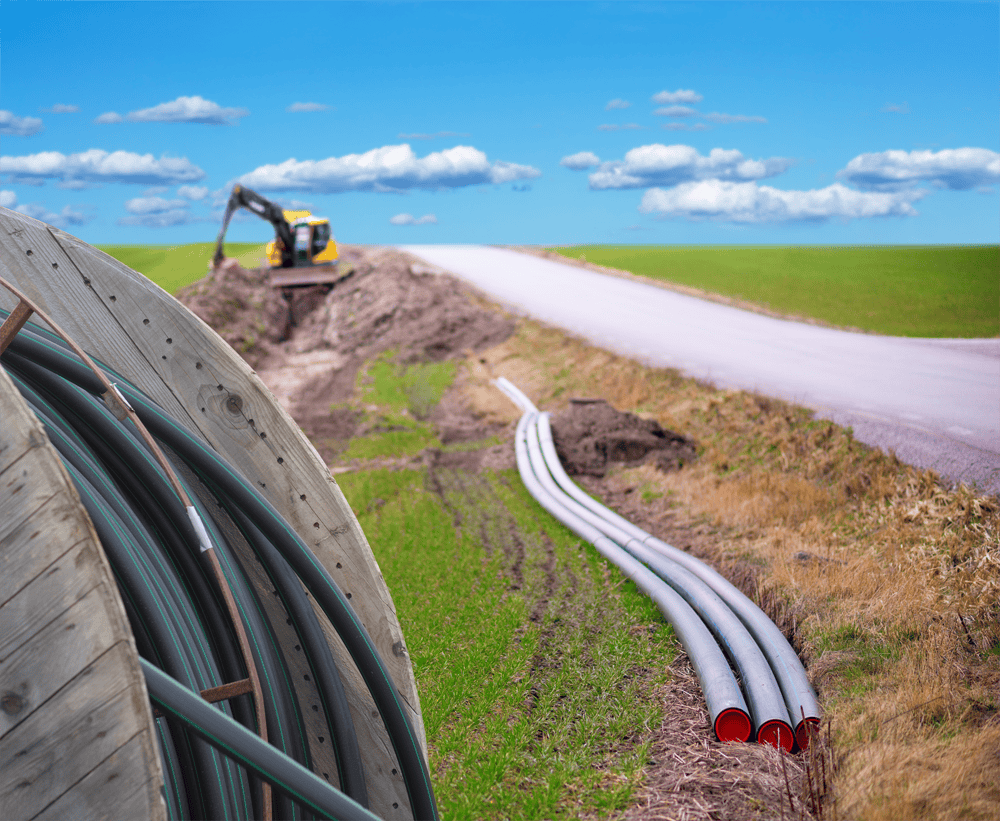
 The American Jobs Plan (Build Back Better) is a four-part, 10-year, over $2 trillion infrastructure spending package. It includes $620 billion dedicated to roads, rails, and bridges with a focus on clean energy; $650 billion dedicated to American homes, school buildings, underground water infrastructure, and broadband expansion; $400 billion dedicated to improving access to quality, affordable homes or community-based care for the elderly and people with disabilities; and $300 billion invested in manufacturing, including support for domestic production of technologies and critical goods.
Some business groups, such as the U.S Chamber of Commerce—which is bullish on investing in America’s infrastructure, oppose raising the corporate tax rate from 21% to 28% in order to pay for President Biden’s plan. That sentiment may not be true among voters. According to recent polls, Americans support raising taxes on corporations and on those wage-earners making above $400,000 per year to pay for this jobs plan.
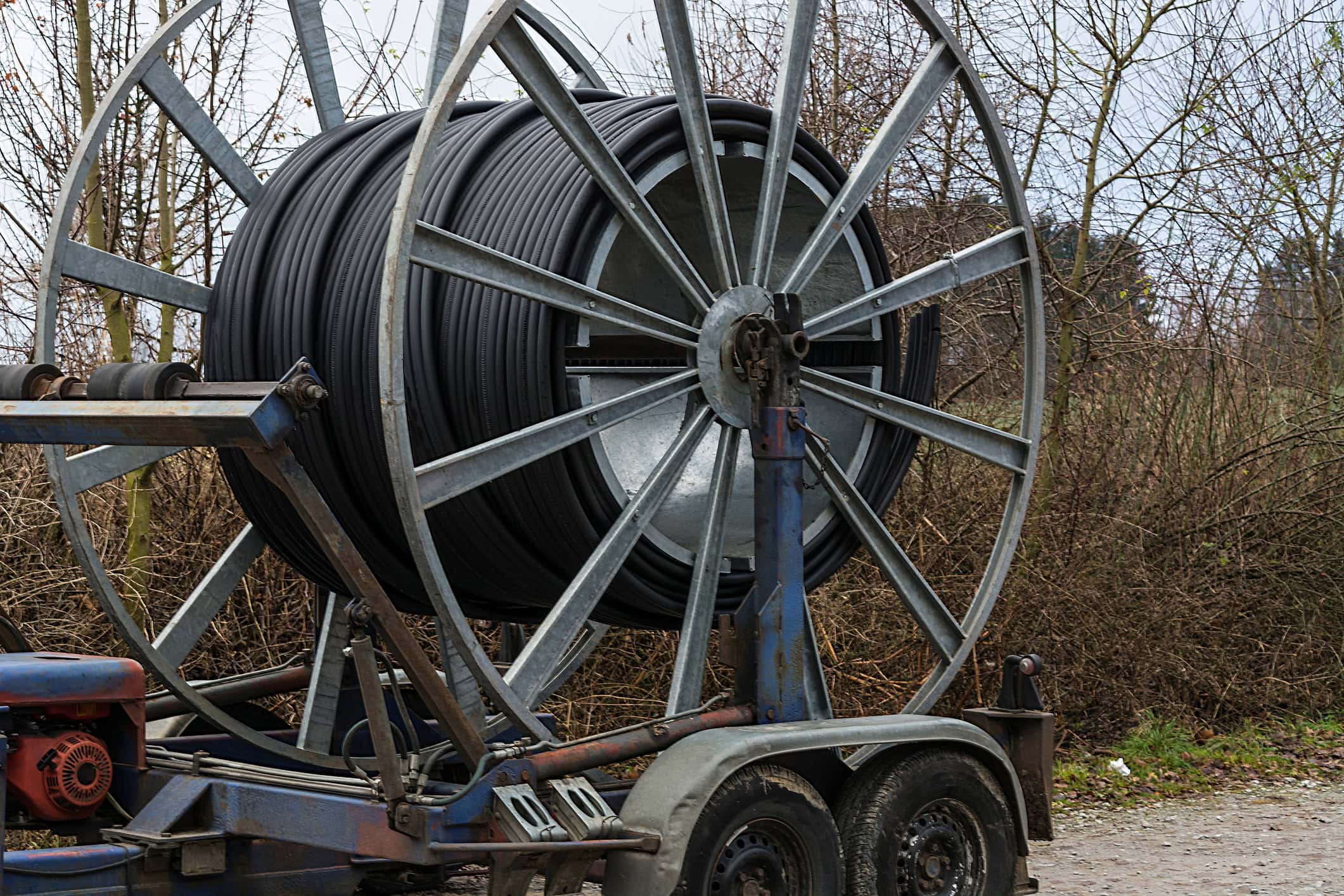 Meanwhile, Republicans are in the process of unveiling their own infrastructure plan, which, according to Senator Shelly Moore-Capito (R-WV), Ranking Member on the Senate and Environment Public Works Committee, would focus on roads, bridges, transit, waterways, and broadband. The Republicans’ counter-proposal could be in the spending neighborhood of $600 billion to $800 billion, but it does not consider raising taxes on corporations to pay for it. Just to make things even more complicated, Senator Chris Coons (D-DE), a close confidant of the President, has suggested bifurcating Biden’s infrastructure-led economic package into two bills. The strategy would be to pass a bipartisan bill first, which would be about $800 billion to $1 trillion. This bill would include projects that are typically defined as traditional infrastructure projects, such as roads, bridges, airports, water, and rural broadband. Those items, which do not have support from Republicans, could be passed through reconciliation for example by a simple majority vote.
How to pay for these projects is still undetermined. Republicans have been clear that they will not support raising taxes on corporations. There are members in the President’s party, like Senator Joe Manchin (D-WV), who have voiced opposition to raising the corporate tax rate to 28% but are willing to support a 25% rate. The President requested Congress send him a bill by August, which may prove a bit aggressive, given that it may take time to decide how to pay for the plan. Readers should continue to read Focal Point, as NASBP will report on this story, which will likely take many twists and turns over the next few months.
Get Important Surety Industry News & Info
Keep up with the latest industry news and NASBP programs, events, and activities by subscribing to NASBP SmartBrief.