By Daniel Christianson of Old Republic Surety Company
In surety underwriting, everything revolves around three Cs: capital, character, and capacity.
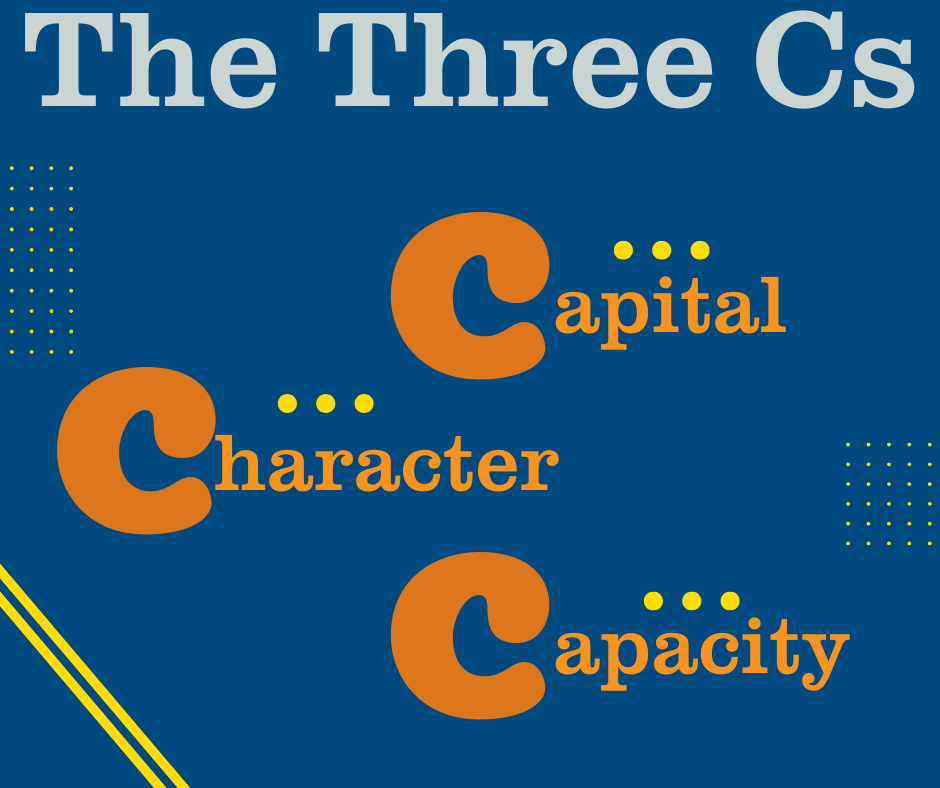 Capital is the most commonly discussed and the easiest C to understand. It ensures contractors have the financial strength and liquidity to fund projects, pay suppliers, and subcontractors, and navigate delays or unforeseen challenges.
The second regularly discussed C is character. It reflects a contractor’s integrity and reputation, demonstrating how they honor commitments, collaborate with subcontractors, and communicate with owners.
The most overlooked and often misunderstood C is capacity. It represents the limit at which a contractor can perform jobs successfully—determined by the people, tools, and structure supporting each project.
As the U.S. construction landscape evolves, understanding and evaluating contractor capacity has never been more critical. Tight labor markets, higher construction costs, supply chain volatility, and increasingly complex projects are forcing both contractors and sureties to look beyond financial metrics and focus on operational bandwidth.
What Does Capacity Mean?
Capacity is about performance, not potential. It measures whether a contractor can handle their current projects and those they plan to pursue without overextending their resources.
Key components of capacity include:
- People: Sureties assess whether ownership, management, and the workforce have the experience, depth, and capability to handle current and future workloads without overextension.
- Equipment and resources: Sureties evaluate whether a contractor has the right mix and quantity of tools, machinery, and production facilities to meet project demands without stretching resources too thin or risking costly delays.
- Subcontractor and supplier relationships: Sureties consider the strength and reliability of a contractor’s subcontractor and supplier network to ensure they have dependable partnerships that can deliver materials and labor on time while sustaining performance across multiple projects.
The construction industry has long grappled with a shortage of skilled labor. According to a proprietary model developed by the Associated Builders and Contractors, the sector may need around 499,000 net new workers in 2026 to meet anticipated construction demand. That is a tall order amid rising wage pressures and shifting immigration policies, which are making staffing ever more challenging.
Even the strongest balance sheet cannot overcome a shortage of qualified personnel or inadequate equipment. It’s important to remember that capacity does not expand automatically as revenue grows; it requires intentional planning and reinvestment in people, systems, and processes.
Balancing Growth and Capacity

The post-pandemic construction market has highlighted capacity constraints across the industry. Skilled labor remains scarce, particularly in specialized trades and supply chains, while improved, continue to experience periodic disruptions.
Through 2025, construction growth has been uneven: Non-residential sectors—including industrial, commercial, and infrastructure megaprojects—are expanding, while residential work faces headwinds from high interest rates and affordability challenges.
Against a volatile backdrop, the importance of capacity assessment has only grown. Surety professionals look beyond the headline numbers to evaluate questions such as:
- How are jobs allocated across project managers?
- How is labor sourced and retained?
- Is there a strategy for scaling internal or subcontractor capacity as volume increases?
A contractor’s ability to say “no” to the wrong job can be as important as their ability to secure the right one. Sustainable success depends on understanding true operational limits and careful planning for responsible growth.
The Early Warning Signs
When capacity is stretched, it often reveals itself through subtle shifts before major issues arise. Early warning signs include:
- A rise in underbillings: This may signal that projects are progressing slower than planned or that management oversight is spread too thin.
- Heavier reliance on bank lines of credit: This may indicate that a contractor’s cash flow is strained and it is relying on debt to keep projects moving.
- Backlogs filled with unfamiliar project types: Taking projects outside of the contractor’s usual expertise can signal operational strain and the risk of overextension.
- Behavioral cues: Contractors who suddenly take a defensive or hurried tone in conversations about performance, or who show signs of stress across their organization, may be grappling with internal pressure.
None of these indicators signal imminent failure, but they invite a deeper look into what is driving the change.
The goal of a surety is not to penalize growth or discourage ambition, but to ensure each opportunity fits within a contractor’s operational reach. Capacity management is ultimately about protecting the long-term health of the contractor, the project, and the surety relationship.
Building Effective Surety Relationships
The surety relationship works best as a true partnership built on transparency and trust. Sharing financial statements, work-in-progress schedules, and upcoming bid projections gives sureties a clear understanding of a contractor’s operational capacity.
When a contractor explains why a project is a good fit—through relevant experience, hiring additional staff, or leveraging trusted subcontractor partnerships—it builds confidence and allows the surety to validate their plans.
This collaboration is especially valuable when market conditions shift. Rising material costs, tightening credit, or regional labor shortages all require real-time dialogue to identify solutions before problems escalate.
The Path Forward
Contractor capacity is dynamic; it evolves with every project, hire, and business decision. For contractors, the key challenge is balancing ambition with operational ability, ensuring growth never outpaces resources. For sureties, the focus is on engaging as a strategic partner, helping clients understand and manage capacity before it becomes a risk.
Character and capital may secure the initial surety bond, but it is capacity that drives the work. Recognizing and cultivating it is essential for building resilient construction businesses capable of weathering market cycles and seizing opportunities with confidence.
 Daniel Christianson is the Bond Manager at the Seattle Branch office of Old Republic Surety Company. He joined the company in November 2018 and earned his Associate in Fidelity and Surety Bonding (AFSB) designation in 2019. Beyond his Seattle responsibilities, Christianson also manages all Hawaii and Guam bond business, ensuring consistent service and support across these regions. He can be reached at dchristianson@orsurety.com.
Get Important Surety Industry News & Info
Keep up with the latest industry news and NASBP programs, events, and activities by subscribing to NASBP SmartBrief.