DOJ Creates Interagency Strike Force to Combat Government Procurement Corruption
Over the past few years, the U.S. Department of Justice (DOJ) has increasingly and energetically identified, investigated, and prosecuted individuals and entities involved in various fraudulent schemes. Early in 2019 the DOJ reported that it had recovered nearly $2.9 billion in settlements and judgments under the False Claims Act (FCA) in fiscal year 2018. And, while the lion’s share of that recovery was from healthcare and life science companies, the construction industry is being increasingly targeted for investigation and enforcement.
In the last issue of Pipeline, we reviewed the status of the DOJ’s growing interest in pursuing agencies, bond producers, and sureties pursuant to FCA allegations. Construction and surety industry stakeholders have been closely watching the status of United States ex rel. Andrew Scollick v. Narula, in which the U.S. District Court for the District of Columbia opined that agencies, bond producers, and surety companies could be held liable under the FCA. On November 12, 2019, the parties filed a Joint Status Report, stating that “all parties are proceeding in good faith toward scheduling a mediation in this matter and anticipate being able to schedule a mediation by no later than December 6 . . . .”
While the resolution (either by mediation or litigation) of Scollick remains in limbo, legal pundits have been speculating about just how aggressive the DOJ will continue to be in pursuing the perpetrators of fraudulent government contracting schemes. Speculate no more. On November 5, the DOJ Antitrust Division announced the creation of a joint law enforcement task force to combat antitrust crimes and other fraudulent schemes impacting government contracting, grants, and other programmatic funding. This initiative will certainly increase scrutiny of the government procurement process. The Procurement Collusion Strike Force (PCSF) is an interagency partnership comprised of prosecutors from the DOJ Antitrust Division, prosecutors from 13 U.S. Attorneys’ Offices, and investigators from the Federal Bureau of Investigation and Inspectors General from the Department of Defense, the General Services Administration, and other partner federal offices of Inspector General. The mission of the Strike Force is to “deter, detect and prosecute antitrust crimes and related schemes in government procurements” in order to “ensure taxpayers [receive] the full benefits of competitive bidding.”
A statement in the November 5, 2019, DOJ press release summarized the overall focus of the Strike Force:
| The PCSF will lead a national effort to protect taxpayer-funded projects at the federal, state and local level from antitrust violations and related crimes, starting with a focus on 13 districts throughout the country. Prosecutors from the Antitrust Division and the participating U.S. Attorneys’ Offices, along with agents from the FBI and partner Offices of Inspector General, will work together to conduct outreach and training for procurement officials and government contractors on antitrust risks in the procurement process. In addition, the partnered prosecutors and investigators will jointly investigate and prosecute cases that result from their targeted outreach efforts. |
Violations of antitrust laws can result in severe penalties and consequences for companies and individuals, including criminal prosecutions (with fines and imprisonment), debarment from doing business with federal or state governments, and civil and criminal liability for false claims, including treble damages.
The PCSF has launched a publicly available website at https://www.justice.gov/procurement-collusion-strike-force, where the public can review information about the federal antitrust laws and training programs and report suspected criminal activity affecting public procurement.
The federal government is clearly bringing robust and aggressive enforcement actions against individuals and entities that would fraudulently deprive legitimate small businesses of valuable federal contracting opportunities, engage in illegal bid-rigging, and perpetrate other corrupt schemes that would defraud the federal government and, by extension, the taxpayers. An entity that contracts or does business with the federal government should take note that FCA liability can crop up in unexpected places. The broadening of construction industry stakeholders in enforcement actions and the increasingly aggressive government investigation and prosecution signals to bond producers and sureties–and to their contractors and subcontractors–that they should take proper steps to manage the associated risks. Certainly contractors and subcontractors involved in government procurement should assess their antitrust risks and review their government procurement policies to ensure compliance with applicable laws.

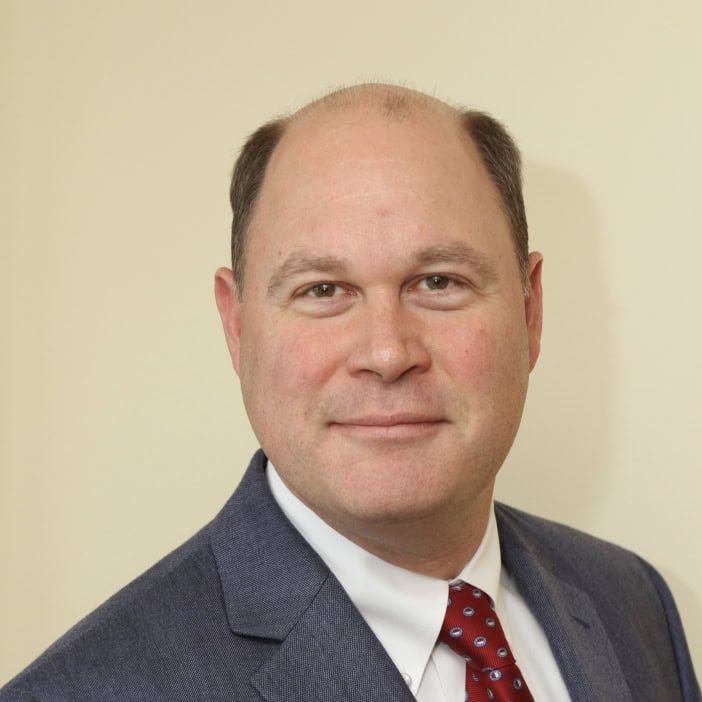
The author of this article is Martha Perkins, General Counsel at NASBP. She can be reached at mperkins@nasbp.org or 240.200.1270.
This article is provided to NASBP members, affiliates, and associates solely for educational and informational purposes. It is not to be considered the rendering of legal advice in specific cases or to create a lawyer-client relationship. Readers are responsible for obtaining legal advice from their own counsels, and should not act upon any information contained in this article without such advice.
Get Important Surety Industry News & Info
Keep up with the latest industry news and NASBP programs, events, and activities by subscribing to NASBP SmartBrief.