NASBP is pleased to publish Jere Shawver’s article below, which describes a recent meeting of the Private Company Council (PCC) and the topics emerging from that meeting’s discussions.
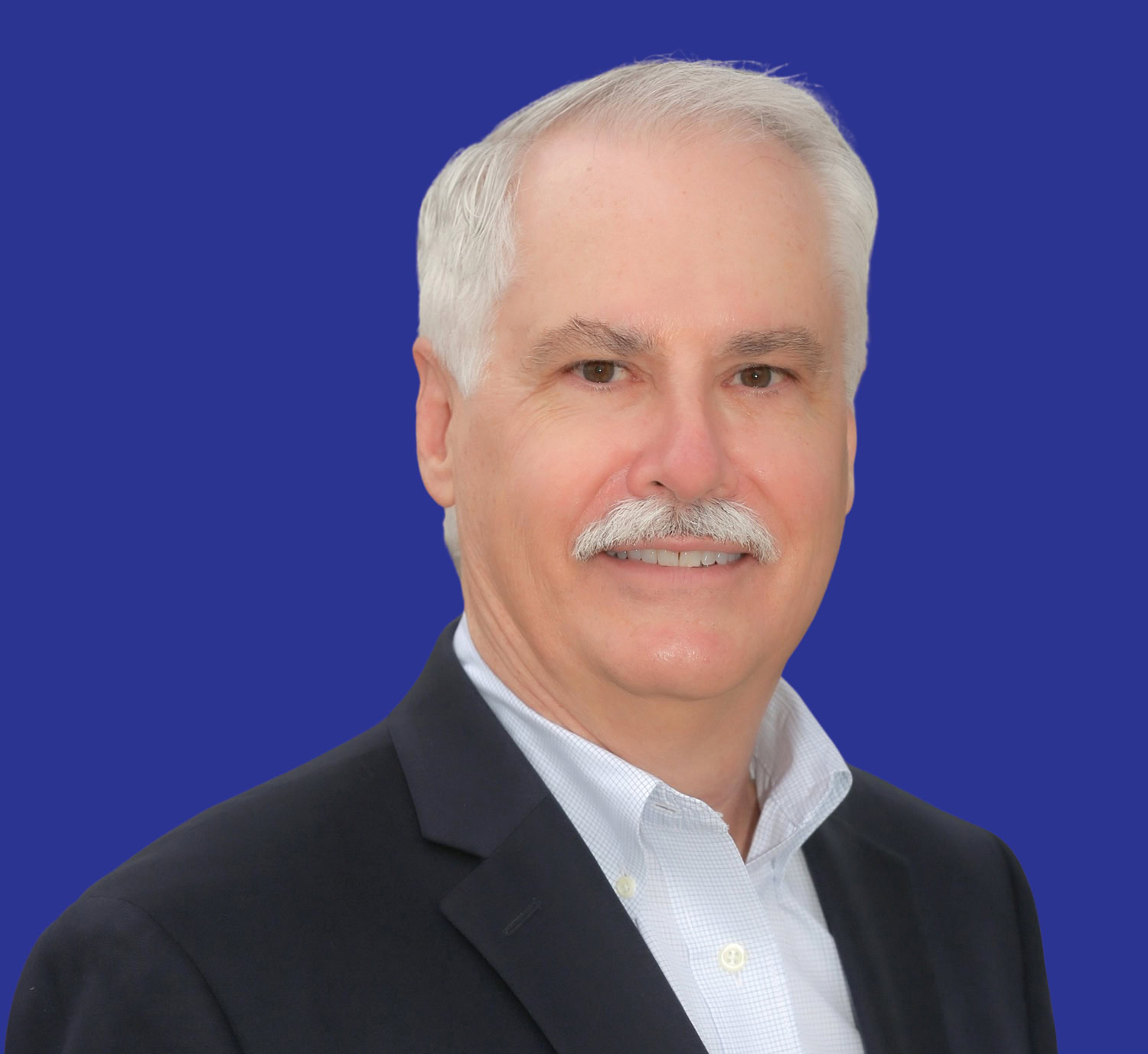
By Jere Shawver, PCC Chair, retired CEO of Baker Tilly US, LLP
On behalf of the Private Company Council (PCC), I am pleased to update NASBP on our activities during the last quarter of 2025. We truly appreciate your interest and engagement with us.
 As you know, the PCC advises the Financial Accounting Standards Board (FASB) on private company financial reporting and accounting issues. The PCC is not a standard setter, but we do make recommendations to the FASB on practical expedients and accounting alternatives for private companies under United States Generally Accepted Accounting Principles (GAAP). So, while we have a broad and diverse range of private company stakeholders, the FASB is our customer.
Ultimately, our purpose is working to keep private companies’ financial statements aligned with GAAP while making compliance more practical and cost effective for private companies—and providing decision-useful information for private company financial statement users.
December 2025 Meeting Update
I would like to provide an update on our most recent meeting in December 2025. Emerging from our structured process to evaluate our agenda priorities, the PCC discussed three current research projects:
- Lease accounting simplifications
- Subjective acceleration clauses and debt disclosures, and
- Debt modifications and extinguishments and troubled debt restructurings.
Lease Accounting Simplifications
Research is ongoing to determine whether there are opportunities to further simplify the guidance on leases for private companies. The PCC has a leases working group comprised of PCC members and members of the AICPA’s Technical Issues Committee (TIC). The working group is researching challenges that smaller private company lessees, in particular, are facing to see if there are ways to help address those challenges.
Members discussed key takeaways from the December 2025 leases working group meeting and recent stakeholder feedback. PCC members provided input on several areas being researched from a lessee perspective, including (a) an optional single lease classification accounting model, (b) a scope exception for low value leases, (c) lease modifications, (d) embedded leases, (e) lease classification criteria, (f) weighted-average lease disclosures, and (g) related party disclosures.
PCC members encouraged the working group to continue to research certain areas for private company simplification and expressed the need to conduct further outreach with private company stakeholders.
Subjective Acceleration Clauses and Debt Disclosures
Members discussed the staff’s research on subjective acceleration clauses, which are prevalent in many private company debt arrangements, and influence whether debt is classified as a current or noncurrent liability in a classified balance sheet. The PCC is exploring how to reduce the complexity in applying the guidance and more closely align the guidance with lender practices. PCC members also discussed whether the scope of a potential project should include debt disclosures and whether those disclosures should narrowly focus on subjective acceleration clauses or be broader. The PCC indicated that it would work towards making a decision on whether to add a project to its agenda during an upcoming PCC meeting.
Debt Modifications and Extinguishments
The PCC is looking at certain areas of guidance that may be appropriate for simplification for private companies. PCC members discussed key takeaways from a November 2025 working group meeting. PCC members also discussed recent feedback from various private company stakeholders and supported the working group’s plan to develop specific alternatives on the debt modification and extinguishments and troubled debt restructuring guidance and solicit feedback on those alternatives.
Additional Issues
The PCC also advised the FASB on several FASB projects including Classification of Certain Digital Assets as Cash Equivalents, Accounting for Transfers of Crypto Assets, and Equity Method of Accounting. The PCC discussed private company implementation and ongoing application of the credit losses guidance in connection with the FASB’s Post-Implementation Review on that topic.
In February 2026, the PCC held a Surety Industry Liaison Meeting to discuss key financial reporting issues for surety industry stakeholders. Thank you to NASBP members for participating and for your input. The PCC has several additional liaison meetings planned for Q1 2026 with private company stakeholder groups, including users, preparers, and practitioners. The next PCC meeting is scheduled for March 3, 2026.
Final Thoughts
The PCC is most effective when stakeholders such as yourselves give us feedback on our activities. More information about our work is available by visiting our webpage at www.fasb.org/pcc and in the PCC’s forthcoming 2025 Annual Report, which will talk about the accomplishments of the past year and look ahead to future PCC activities. Please take a look and let us know what you think.
If you have any private company financial reporting issues to raise with us or if you have an interest in becoming more involved as either a PCC member, a PCC working group member, or providing feedback on FASB or PCC initiatives, please email us through the Contact Us portion of our webpage.
Thank you for your interest in the PCC’s activities and we look forward to continuing to engage with NASBP members.
The views expressed in this article are those of Shawver only. Official positions of the PCC and the FASB on accounting matters are determined only after extensive public due process and deliberation.
 PCC Chair Jere Shawver has over 40 years of experience advising companies on financial reporting, accounting, and business matters, across a wide range of industries including manufacturing and distribution, construction and real estate, higher education, hospitality, government contracting, and technology. He retired in May 2025 as Chief Executive Officer of Baker Tilly US, LLP, where he was responsible for managing the assurance practice and risk management, including the Office of the General Counsel.
Get Important Surety Industry News & Info
Keep up with the latest industry news and NASBP programs, events, and activities by subscribing to NASBP SmartBrief.